Evaluating the To Teach is to Learn Teacher SVG Design
As a designer who spends half my life digitizing and the other half stitching, I have learned that not every graphic translates well to thread. We often see beautiful vector art that looks stunning on a screen but turns into a tangled mess under the needle. That is why I approach every new machine embroidery design with a critical eye, looking past the marketing copy to understand how it will actually perform in a real-world embroidery project. Recently, I spent some time evaluating the To Teach is to Learn Teacher SVG Design, a piece of digital art aimed at educators and the crafters who serve them. Here is my honest assessment of its potential for your next handmade product.
First Impressions: Mood and Visual Personality
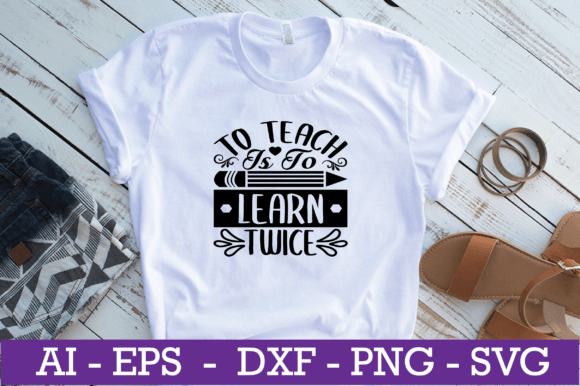
The phrase "To Teach is to Learn" carries a weight of humility and wisdom that resonates deeply with educators. Visually, this design leans into that sentiment with a layout that feels balanced and intentional. When I first opened the file, I was looking for clarity. In the world of Crafts and Graphics, simplicity often wins, especially when dealing with text-heavy designs. The typography appears clean, avoiding overly ornate serifs that can cause stitching issues at smaller sizes. The mood is professional yet warm, making it suitable for a wide range of applications, from a serious faculty lounge gift to a cheerful classroom decoration.
The visual personality of the To Teach is to Learn Teacher SVG Design suggests versatility. It does not scream for attention with chaotic elements; instead, it invites a closer look. For an embroidery designer, this is a good starting point. It means the design relies on strong lines and clear spacing, which are crucial for maintaining legibility once the thread hits the fabric.
Real-World Application: The Custom Tote Bag Scenario
To truly test a design, you have to imagine it on a product. I pictured this design stitched onto a heavy canvas tote bag, a popular item for teachers carrying books and lesson plans. In this scenario, the design needs to be large enough to be read from a distance but compact enough to fit within a standard hoop without excessive re-hooping or complex positioning.
If I were producing this as a small shop product for an Etsy seller, I would consider using a combination of stitch types. The text might benefit from a clean satin stitch if the size permits, offering a raised, tactile feel that adds value to the finished product. However, if the letters are thin, a narrow fill stitch or even a triple run stitch might provide better coverage without causing puckering. The background of a natural canvas tote provides excellent contrast for dark thread colors, ensuring the message pops. This kind of custom apparel or accessory becomes more than just an item; it becomes a statement piece that reflects the teacher’s philosophy.
Beyond the Tote: Sweatshirts and Patches
Another strong candidate for this design is a crewneck sweatshirt. Sweatshirt embroidery requires careful attention to stitch density. Too dense, and the fabric pulls and distorts; too light, and the backing shows through. Given the likely structure of this SVG, it could work beautifully as a chest-left logo or a larger back print. For a more rugged look, converting this into an embroidered patch is a smart move. Patches allow for heavier stabilization and denser stitching, which can enhance the durability of the design for items that see frequent use, like a teacher’s daily uniform.
Technical Considerations and Potential Pitfalls
While the design has strong aesthetic appeal, there are areas where caution is necessary. As an experienced reviewer, I always advise checking the small details. If the design includes intricate flourishes or very fine lines, these may not hold up well on textured fabrics like terry cloth towels or fuzzy fleece blankets. In such cases, simplifying the design or increasing the stitch width might be necessary.
Hoop size is another critical factor. Before purchasing or downloading, you must confirm that the design fits your machine’s maximum hoop area. If you plan to use this on curved surfaces like caps, you need to ensure the design is not too tall, as high profiles can cause registration issues. Additionally, when working with stretchy fabrics like jersey knits for baby embroidery or t-shirts, proper stabilization is non-negotiable. A cut-away stabilizer is usually best for garments that will be washed frequently, ensuring the embroidery file retains its shape over time.
Color choice also plays a pivotal role. While the design might look great in black on white, testing it in various thread colors is essential. High contrast is key for readability. If you are creating a personalized gift for a specific school, matching the thread to school colors can add a layer of customization that increases perceived value. However, avoid using similar shades for the text and any background elements, as this can blur the details during stitching.
Commercial Viability and Brand Consistency
For creative entrepreneurs and digital product sellers, the commercial potential of the To Teach is to Learn Teacher SVG Design lies in its broad appeal. Teacher appreciation is a year-round market, peaking during holidays and the end of the school year. This design fits seamlessly into holiday embroidery collections or back-to-school promotions. It projects professionalism and thoughtfulness, which helps build customer trust. When a buyer sees a cleanly stitched, well-digitized design, they associate that quality with your brand.
However, before selling any commercial embroidery items, you must verify the licensing terms. The product description mentions an AI file and an SVG file, which are primarily vector graphics formats used for cutting machines or print. It is crucial to clarify if this purchase includes a true digital embroidery file (such as PES, DST, or JEF) or if you are expected to digitize the SVG yourself. If you are digitizing it, ensure you have the commercial rights to sell the resulting stitched items. Never assume; always check the license agreement provided by the creator.
Practical Designer Notes for Best Results
To get the most out of this design, follow these practical steps before committing to a final product:
- Test on Scrap Fabric: Always stitch a test sample on the same type of fabric you intend to use for the final product. This reveals any tension issues or density problems.
- Check Thread Contrast: Use a color wheel to select thread colors that stand out against your fabric. Dark threads on light fabrics generally offer the best clarity for text-based designs.
- Review Stitch Density: If you are digitizing this from the SVG, pay close attention to stitch density. Aim for a balance that covers the fabric without causing stiffness or puckering.
- Confirm Hoop Size: Ensure the design dimensions fit comfortably within your hoop, leaving enough margin for the frame to grip the fabric securely.
- Inspect Small Details: Zoom in on the vector file to check for any stray nodes or overlapping paths that could cause stitching errors.
- Use Proper Stabilizer: Match your stabilizer to your fabric. Use tear-away for stable woven fabrics and cut-away for knits and stretchy materials.
- Verify Licensing: Confirm whether the license allows for the sale of physical finished goods or if it is for personal use only.
In conclusion, the To Teach is to Learn Teacher SVG Design offers a solid foundation for a variety of craft business items. Its strength lies in its meaningful message and clean layout. By paying attention to technical details like stabilization, stitch density, and fabric choice, you can transform this digital asset into a high-quality handmade product that resonates with educators and customers alike. Whether you are creating a single personalized gift or a batch of items for your online store, this design has the potential to perform well, provided it is handled with the care and expertise it deserves.